A spreading appliance release
Describe the first wet room and the furthest wet doorway you can see safely. The affected area may extend beyond the appliance.
Less standing water.
A clearer next step.
For water extraction in Spring, begin with what happened, what is wet and a safe way inside. Discuss bulk water removal from floors and carpet with an independent contractor, then understand the moisture checks that follow.
Independent contractors · Address, availability and terms confirmed by phone
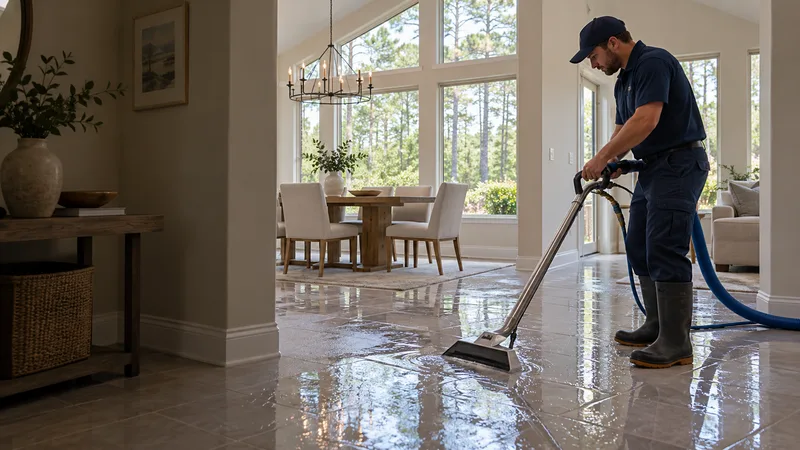
A clearer-looking floor can still hold moisture beneath the surface. Ask what extraction removes and how the remaining materials will be assessed.
Water Extraction in Spring should follow the water through the property, rather than stop at the largest visible pool.
Describe the first wet room and the furthest wet doorway you can see safely. The affected area may extend beyond the appliance.
Backing, padding and the underlying floor matter. Explain whether water has reached walls or crossed into a hard-floor room.
Seams, thresholds and cabinet edges deserve attention even when the surface is easy to see. Avoid ordinary dry vacuums.
Explain the entry point and timing. The water condition and safe access determine handling; proximity to a creek is not a diagnosis.
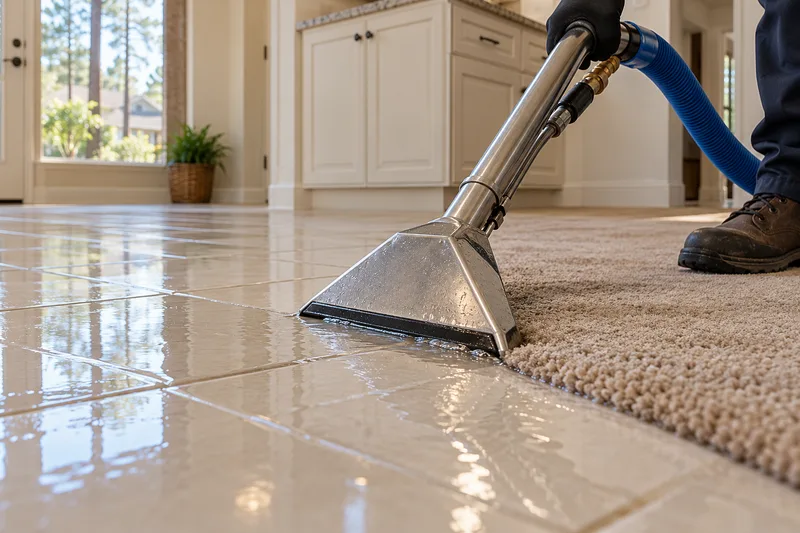
Pumps can address deeper pools, while extraction tools remove accessible water from affected surfaces. A tool passing over the floor does not establish the condition of every layer below it.
The Census identifies Spring as a Census-designated place. The Spring mailing name also appears on properties beyond that statistical boundary, including the western Cypresswood Drive references in this guide.
Use Old Town Spring, a neighborhood or a park to describe the area, then provide the exact work address. Public facilities are location references, not our premises or customer projects.
Sources: Census QuickFacts · Harris County park directory.
Address-specific availability is confirmed on the call. Postal coverage does not guarantee acceptance of a particular job.
Every stage should answer a practical question about the property.
Say when the water appeared and whether it continues. An active source and safe access come before equipment.
The contractor considers the affected rooms, floor layers, handling needs and the route into the property.
Confirm the scope, charges and who can approve changes. Extraction equipment follows the actual material and water depth.
Ask what water was removed, where moisture remains and what follow-up work would require a separate agreement.
If access is unsafe, describe the hazard before arranging a visit. Immediate danger requires the appropriate emergency response rather than entry to measure a puddle.
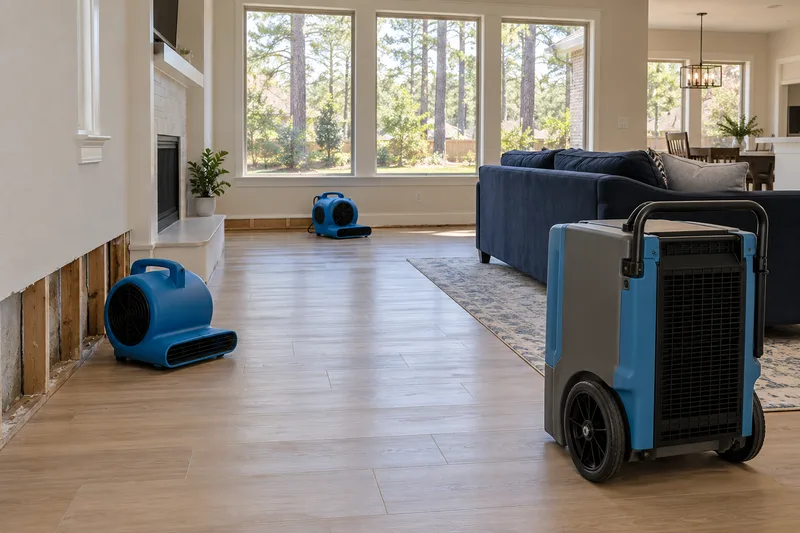
The floor can look better before the materials underneath are dry.
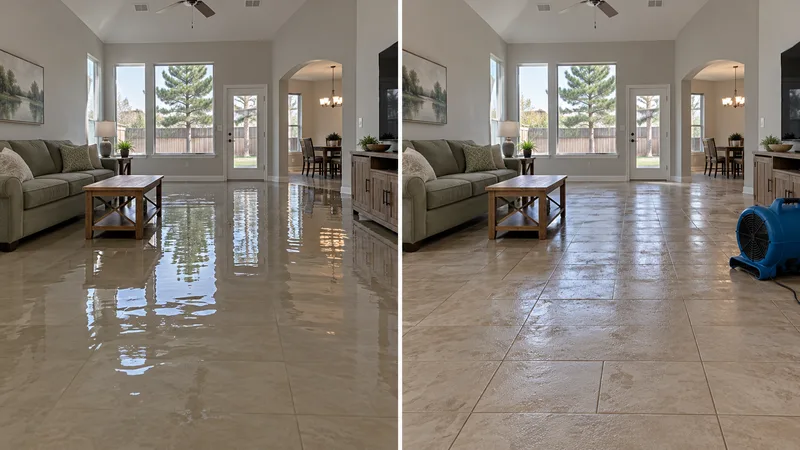
For water extraction in Spring, ask for a scope that follows the affected rooms and materials.
An estimate should explain what is included now and what may be proposed after moisture checks. Ask about assessment charges, equipment time, disposal and how additions require your authorization.
Depth, spread, source and handling conditions.
Floor layers, room connections, furniture and safe equipment access.
Any agreed monitoring, drying equipment or material access, with separate terms made clear.
For water extraction in Spring, call (281) 214-8509 with your full address and the rooms involved. A contractor confirms whether the location and work can be accepted, then explains the assessment and terms.
Extraction addresses accessible bulk water with equipment suited to the floor and water depth. Water retained in padding, seams or wall bases may require further moisture assessment and drying. Ask the contractor to define those stages separately.
Your full address, the rooms involved, when you noticed the water and whether the source has stopped. Report electricity, access or ceiling concerns before anyone enters the wet area.
A photograph can help explain the situation but may not show hidden water, floor layers or access problems. Confirm any assessment fee and request an itemized scope before authorizing work.
Scheduling depends on the independent contractor, the location and current conditions. Call to check availability; this website does not promise an arrival window.
Describe the entry point and what you observed. Water from outside can carry contaminants. Keep away from hazards and let the contractor assess handling and material requirements.
Have the address, affected rooms and source information ready. Confirm availability, the assessment and work terms with the independent contractor.