Has the inflow stopped?
An active leak or unsafe entry can change the first step. Describe what is observed without entering to investigate a hazard.
Your rooms. Your materials.
A scope that follows the water.
For water extraction in Timber Lane, start with the actual property address and the rooms involved. Discuss how accessible standing water can be removed and what moisture assessment may still be needed.
Independent contractors · Address, availability and terms confirmed by phone
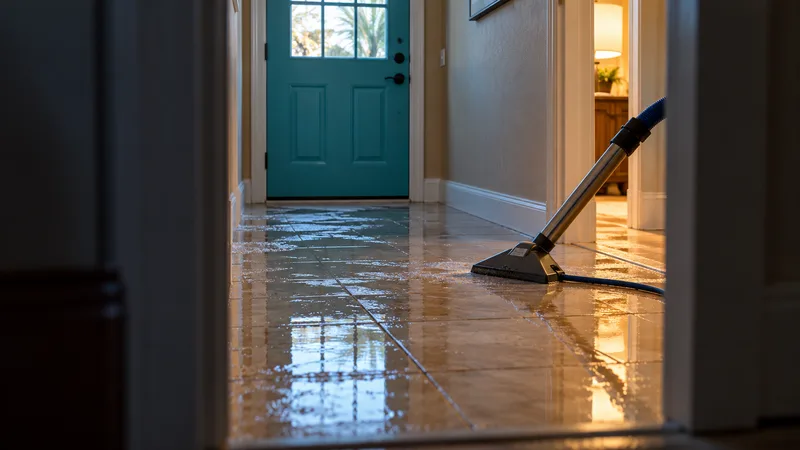
In a narrow hallway, water can connect several rooms while leaving very little dry walking space. Describe the hall, adjoining doorways and any safe route from outside rather than walking farther in to estimate the wet area.
The community's HOA and utility district facilities are not contractor offices. Do not use their addresses as the work address unless you are the authorized contact for that facility. This site has no association with either organization.
A useful quote for water extraction in Timber Lane distinguishes the initial removal from the next moisture checks.
An active leak or unsafe entry can change the first step. Describe what is observed without entering to investigate a hazard.
Floor transitions, carpet cushion and cabinet edges can extend the affected area beyond the obvious pool. Equipment and access follow those materials.
Clarify the assessment, extraction, charges and any proposed drying or material access. Additional work needs clear authorization.
Tell the contractor about steps, tight turns, doors that do not open freely and affected rooms on each side of the hall. Safe access can change the equipment route and the order in which water is removed. Furniture should be moved only when doing so is safe and agreed.
When discussing water extraction in Timber Lane, separate water that can be extracted from moisture that remains in the building. Ask how the findings will be recorded.
Give the actual house number, street, entry door and gate details if relevant. Tell the caller if the only route passes an electrical hazard.
The floor can look better before the materials underneath are dry.
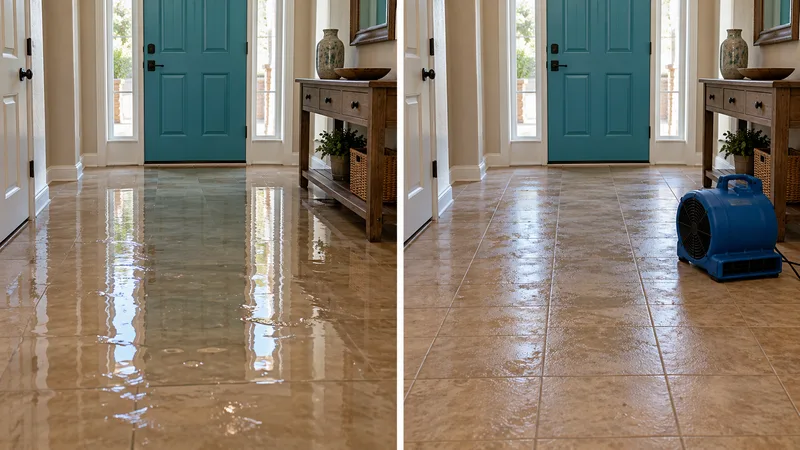
For water extraction in Timber Lane, ask for a scope that follows the affected rooms and materials.
An estimate should explain what is included now and what may be proposed after moisture checks. Ask about assessment charges, equipment time, disposal and how additions require your authorization.
Depth, spread, source and handling conditions.
Floor layers, room connections, furniture and safe equipment access.
Any agreed monitoring, drying equipment or material access, with separate terms made clear.
Every stage should answer a practical question about the property.
Say when the water appeared and whether it continues. An active source and safe access come before equipment.
The contractor considers the affected rooms, floor layers, handling needs and the route into the property.
Confirm the scope, charges and who can approve changes. Extraction equipment follows the actual material and water depth.
Ask what water was removed, where moisture remains and what follow-up work would require a separate agreement.
For water extraction in Timber Lane, call (281) 214-8509 with your property address and the affected rooms. Explain the source if known and any safe-entry concern. Availability and terms are confirmed by the contractor.
Give your own work address. The HOA office and utility district facility are public community references, not this site's premises or substitutes for a homeowner's address.
A photograph can help explain the situation but may not show hidden water, floor layers or access problems. Confirm any assessment fee and request an itemized scope before authorizing work.
They are different stages. Removing the visible water does not prove that a floor or wall assembly is dry. Discuss moisture readings, follow-up equipment and any additional charges before agreeing to further work.
Have the address, affected rooms and source information ready. Confirm availability, the assessment and work terms with the independent contractor.